The condo version of the contractor horror story has one extra character in it. The crew shows up, the manager stops them at the elevator, and the paperwork the building needed was never filed.
Here is the short answer. In a Florida condominium you own your unit, and the association controls the rest of the building. Florida law says an owner may not do anything inside the unit that would hurt the safety or soundness of the common elements. Changes to the common elements go through the process in your declaration. That is why the association gets a say in a kitchen or bathroom remodel, and why what it asks for is written in your building's own documents, not in a statewide checklist.
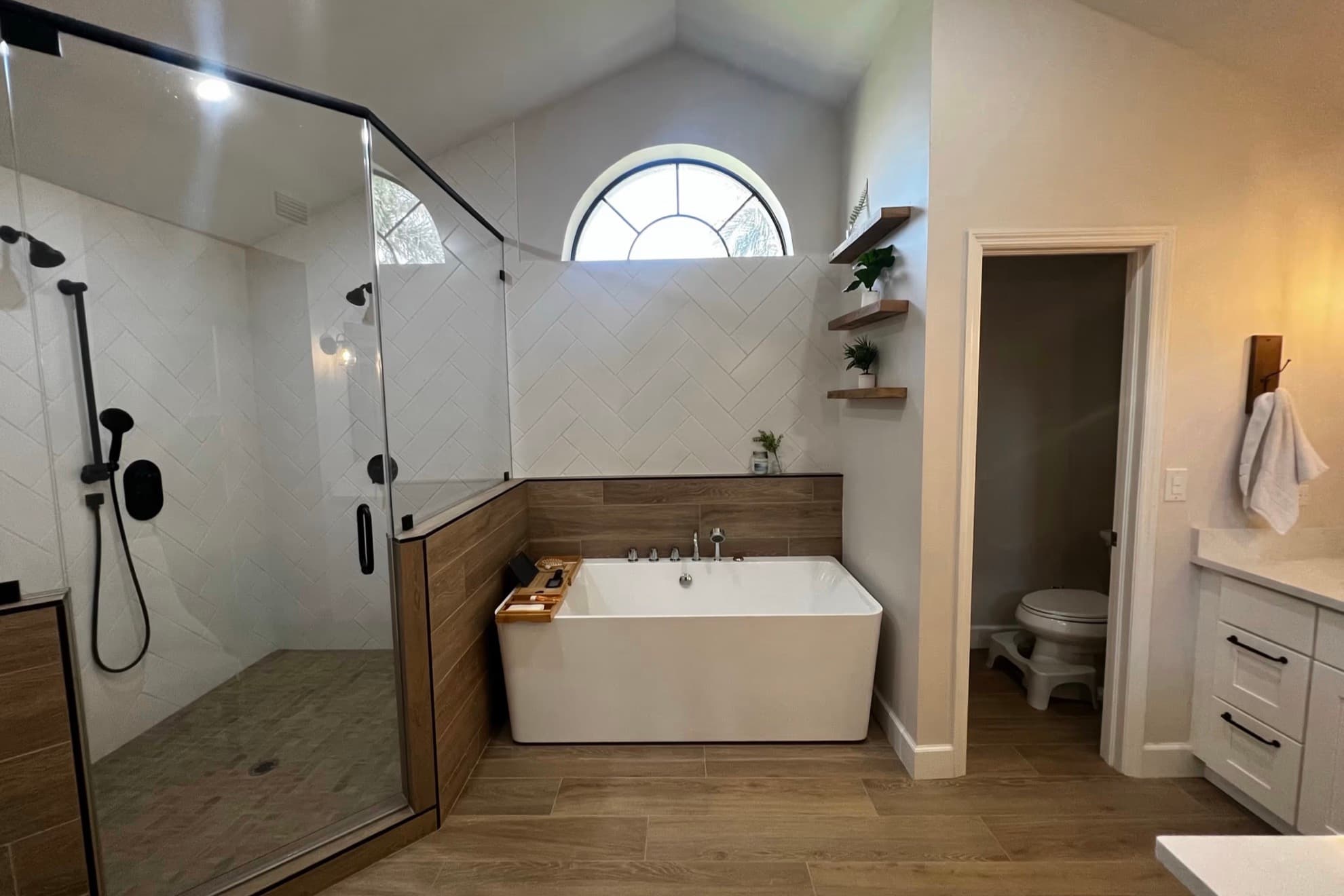
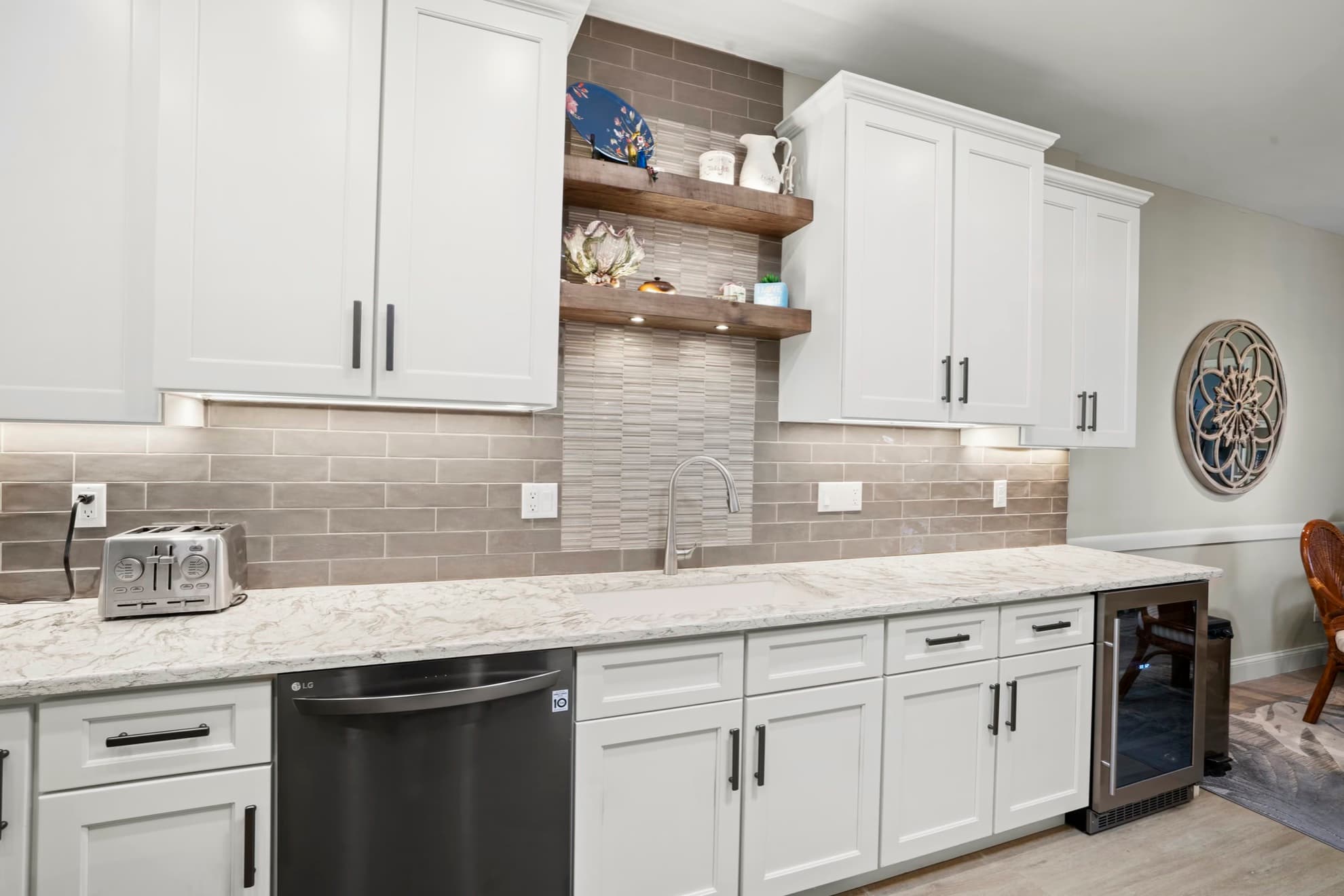
Below is what the statute actually says, which documents to read before anyone draws a new kitchen, the questions to ask your manager, and how association approval sits next to the building permit. For the work itself, start with kitchen remodeling or bathroom remodeling in Southwest Florida.
What You Own, and What the Association Controls
Chapter 718 of the Florida Statutes defines the pieces. Under Section 718.103, a unit is the part of the condominium property subject to exclusive ownership, as specified in the declaration. The common elements are the portions of the condominium property not included in the units. Limited common elements are common elements reserved for the use of one unit or a few units, as specified in the declaration.
Notice the phrase that keeps repeating: as specified in the declaration. The statute does not say where your unit ends. Your declaration does. One building may draw the line at the unfinished face of the walls, and another may draw it somewhere else.
That line decides a lot in a kitchen or bathroom. A supply line inside your unit may be yours to change. The same pipe on the other side of the boundary may be a common element, and different rules apply to touching it.
Maintenance follows the same split. Section 718.113(1) makes maintaining the common elements the association's responsibility, except for any maintenance of limited common elements that the declaration assigns to the owner.
Why the Association Gets a Say Inside Your Unit
Owners are often surprised that the association cares what happens behind their own front door. The statute is the reason. Section 718.113(3) reads: "A unit owner shall not do anything within his or her unit or on the common elements which would adversely affect the safety or soundness of the common elements or any portion of the association property or condominium property which is to be maintained by the association."
Kitchens and bathrooms are where that sentence matters most, because that is where the water is. A failed shower pan or a loose supply line does not stay in your unit. It finds the ceiling below. Demolition noise and debris also travel through hallways and elevators that everyone shares.
Section 718.113(2)(a) covers the next step. There can be no material alteration or substantial addition to the common elements except in the manner the declaration provides. If the declaration does not specify a procedure, 75 percent of the total voting interests must approve before the work starts.
In remodeling terms, that is the difference between moving a sink along a wall inside your unit and cutting into something your declaration puts outside it. A new drain for an island, a relocated toilet, or a curbless shower recessed into the floor can land on either side of that line. Your declaration decides which. Ask before you design around it.
One more section frames the rest. Section 718.303(1) says each unit owner is governed by, and must comply with, the chapter, the declaration, the documents creating the association, and the bylaws. It also lets the association bring an action against an owner who does not comply. The documents are not suggestions.
Read Your Documents Before Anyone Draws a Kitchen
The best time to read your condominium documents is before a designer puts a single line on paper.
You are entitled to them. Section 718.111(12)(a) lists the recorded declaration and each amendment, the recorded bylaws and each amendment, and the current rules of the association among the official records the association must keep. Under Section 718.111(12)(c), those records are open to inspection by any association member. If the association does not provide them within 10 working days of a written request, the law presumes it willfully failed to comply. Make the request in writing and keep a copy.
When you have them, look for four things.
- Where your unit ends. The boundary language in the declaration tells you which walls, floors and pipes are yours to change.
- The alterations section. It says what changes need approval, to units and to common elements, and who gives it.
- The construction rules. Look for work hours, days, elevator use, parking, debris and water shutoffs. These may sit in the rules rather than the declaration.
- The application. If your association has a form for remodeling requests, get it and read it before you design, not after.
Every building's documents are different. A rule a friend dealt with in another building tells you nothing reliable about yours.
Questions to Ask Your Manager Before You Apply
Even with the documents in hand, a short conversation with your community association manager can save weeks. Not every association asks for everything below, and some ask for more. Your documents decide.
- Who approves a kitchen or bathroom remodel: the manager, a committee or the board? How often do they meet?
- What does the application need: drawings, a written scope of work, product information for new flooring?
- What contractor information is required? Is it the license number, a certificate of insurance, or both, and does the association need to be named on the certificate?
- Does the association want a copy of the building permit before work starts?
- What are the allowed work hours and days, and are any times of year off limits?
- How are elevators reserved and protected, where do workers park, and where does debris go?
- How is a water shutoff scheduled, and how much notice do neighbors need?
- Is there a deposit, and what gets it back?
- If the project includes hard flooring, do the rules set an underlayment or sound requirement?
Write the answers down with the date and the name of the person who gave them. If an answer differs from the written rules, ask which one governs and get that in writing too.
For the questions to ask the contractor rather than the building, see how to choose a remodeling contractor in Southwest Florida.
Association Approval and the Building Permit Are Two Different Things
An approval letter from your association is not a building permit. A building permit is not association approval. You need each one that applies, and neither office checks the other's work for you.
Permitting here runs by jurisdiction, not by county. The City of Fort Myers, the City of Sanibel, the Village of Estero, the Town of Fort Myers Beach, Collier County, and Lee County for unincorporated Lee each run their own review. Our guide to kitchen remodel permits in Lee and Collier County covers which parts of a kitchen job need one.
The practical rule is simple. Demolition does not start until both approvals are in hand. A contractor who is ready to start before the association has answered is skipping a step the building will notice.
Planning a Remodel That Fits the Building
The surprises worth worrying about in a condo remodel are the ones you can still prevent on paper. Think of a layout that needs a drain moved through the floor, a schedule that ignores elevator reservations, or a flooring choice the rules do not allow. Each one is cheap to change in a drawing and expensive to change after demolition.
That is why we work in the order we do. First comes a recorded site visit. Then the layout is worked out with our in-house designer, and the proposal includes Design Flex renderings, so you can see the decisions before a wall comes down. There is no design fee in the normal course, and the first hour is free.
The price comes with a 15 percent contingency disclosed up front. If something turns up behind the drywall, it is already accounted for rather than arriving as a change order.
Frequently Asked Questions
Do I need association approval to remodel a condo kitchen or bathroom?
Check your declaration and rules before you assume either way. The statute bars work in a unit that would adversely affect the safety or soundness of the common elements, and it sends any material alteration of the common elements through the declaration's procedure. Kitchen and bathroom work involves plumbing, walls and floors, which is exactly the kind of work an association is likely to want to review.
Can the association stop work inside my own unit?
The declaration and bylaws bind every owner, and Section 718.303(1) lets the association bring an action against an owner who does not comply. If you think your association is applying its documents wrongly, that is a question for a Florida attorney who handles condominium law. This post is a contractor's reading of the statute, not legal advice.
How long does association approval take?
That depends on who approves and how often they meet, which your association sets. We will not guess at a number for your building. Ask the manager, and build that time into the schedule before anyone sets a demolition date.
Do I need a permit and association approval, or just one?
You need each one that applies. They come from different offices and answer different questions. The permit is about the building code, and the association approval is about your building's documents.
Before the First Wall Comes Down
HomeWorks is a Florida certified building contractor, CBC 1261775, owned by Chad and Lyndee and working across Lee and Collier County. Chad is on every project. We run 81 percent on schedule and carry 4.8 stars across 60 Google reviews.
Whatever kind of home you own, the order that keeps a remodel calm is the same: documents first, then design, then approvals, then demolition. If you are planning a kitchen remodel or a bathroom remodel, request a quote and bring your questions.