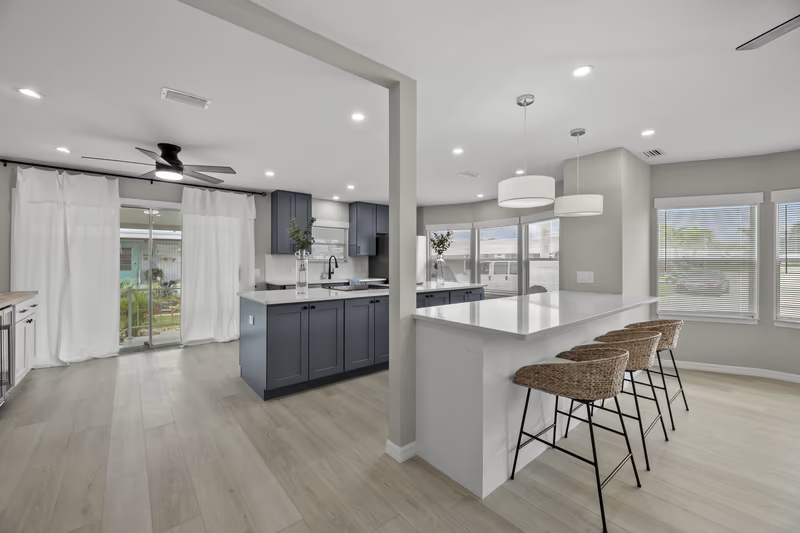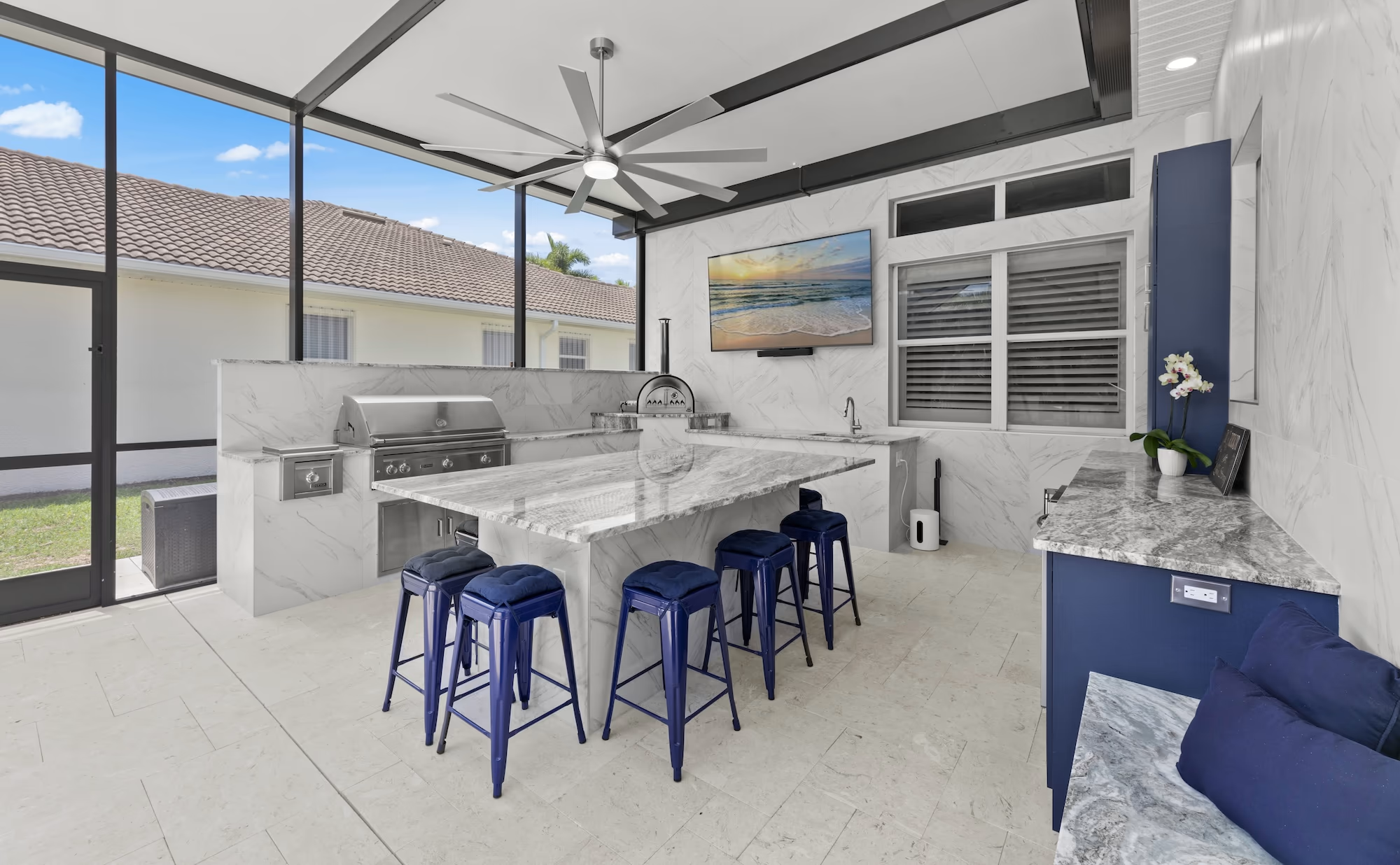
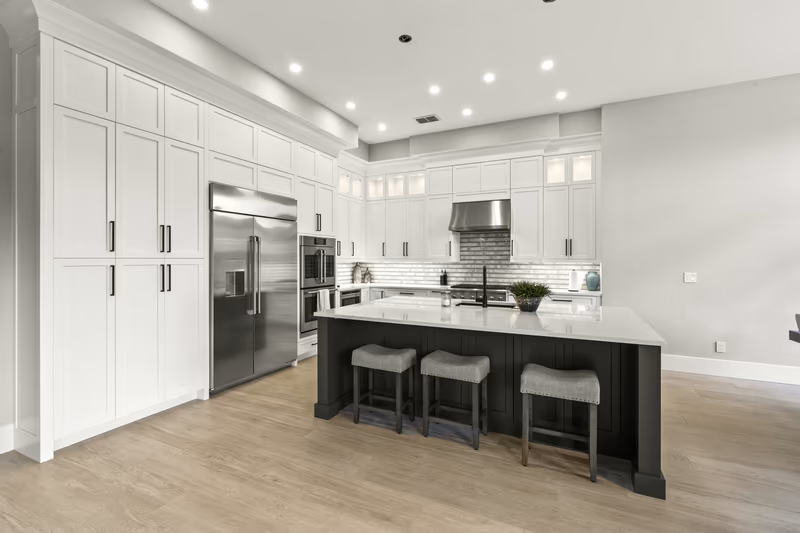
A kitchen remodel is one of the most impactful upgrades you can make to your home. It improves daily functionality, enhances resale value, and sets the tone for how your home feels overall. But it is also one of the most complex renovations, with many decisions that can quickly become expensive if they are not thought through. These practical tips will help you plan a kitchen remodel that balances design, durability, and long term value.
1. Start with how you actually use the kitchen
Before looking at finishes or appliances, take time to understand how your kitchen functions today. Do you cook every day or mostly reheat meals? Do you entertain often? Is storage or counter space the bigger pain point? Designing around real habits leads to better layouts and fewer regrets than following trends alone.
2. Prioritize layout over aesthetics
A beautiful kitchen that is awkward to use will frustrate you every day. Focus first on layout, circulation, and workflow. The classic work triangle between sink, stove, and fridge is still relevant, but modern kitchens also benefit from clear prep zones, landing areas, and enough space for multiple people to move comfortably.
3. Set a realistic budget with a buffer
Kitchen remodels often cost more than expected due to hidden issues like plumbing updates or electrical work. Build a contingency of at least 10 to 15 percent into your budget. Decide early where you are willing to splurge, such as cabinetry or countertops, and where you can save without sacrificing performance.
4. Invest in quality cabinets
Cabinetry forms the backbone of your kitchen both visually and structurally. Solid construction, durable finishes, and good hardware make a noticeable difference over time. Soft close hinges, full extension drawers, and well designed interior storage improve daily use far more than decorative details.
5. Choose materials that age well
Trendy finishes can look dated quickly. Neutral cabinet colors, timeless countertop materials, and classic tile choices tend to hold their appeal longer. You can always introduce personality through lighting, hardware, or accessories that are easier to change later.
6. Think about storage creatively
Lack of storage is one of the most common kitchen complaints. Maximize vertical space with taller cabinets, add pull out pantry systems, and use corner solutions that prevent wasted space. Deep drawers for pots and dishes are often more practical than traditional lower cabinets.
7. Lighting deserves more attention
Good lighting transforms a kitchen. Use a layered approach with ambient lighting for overall brightness, task lighting under cabinets for prep areas, and accent lighting to highlight features. Proper lighting improves both function and atmosphere, especially in the evening.
8. Do not overlook ventilation
A powerful, quiet range hood is essential, especially if you cook frequently. Proper ventilation removes heat, moisture, and odors, protecting your cabinets and finishes while keeping the space comfortable. It is an upgrade that pays off every day.
9. Plan appliances early
Appliance sizes and specifications affect cabinetry, electrical, and plumbing layouts. Decide on appliances early to avoid costly changes later. Even if you plan to reuse existing appliances, confirm their dimensions and requirements during the design phase.
10. Hire experienced professionals
A kitchen remodel involves multiple trades and detailed coordination. An experienced designer or contractor can help you avoid mistakes, navigate building codes, and make smarter decisions that save money in the long run.
A successful kitchen remodel is not about copying a showroom or chasing trends. It is about creating a space that works effortlessly for your lifestyle, looks great over time, and adds real value to your home. With careful planning and thoughtful choices, your new kitchen can become one of the most rewarding spaces in your house.